
In the delightful realm of the Chicken Road Character Animation Chicken Road game, character animation plays a pivotal role in delivering an engaging and immersive gaming experience. Here, we will explore the various aspects of character animation as it relates to the game, from conceptual design to technical implementation, offering insights into how these animated characters contribute to gameplay and storytelling.
The Importance of Character Animation
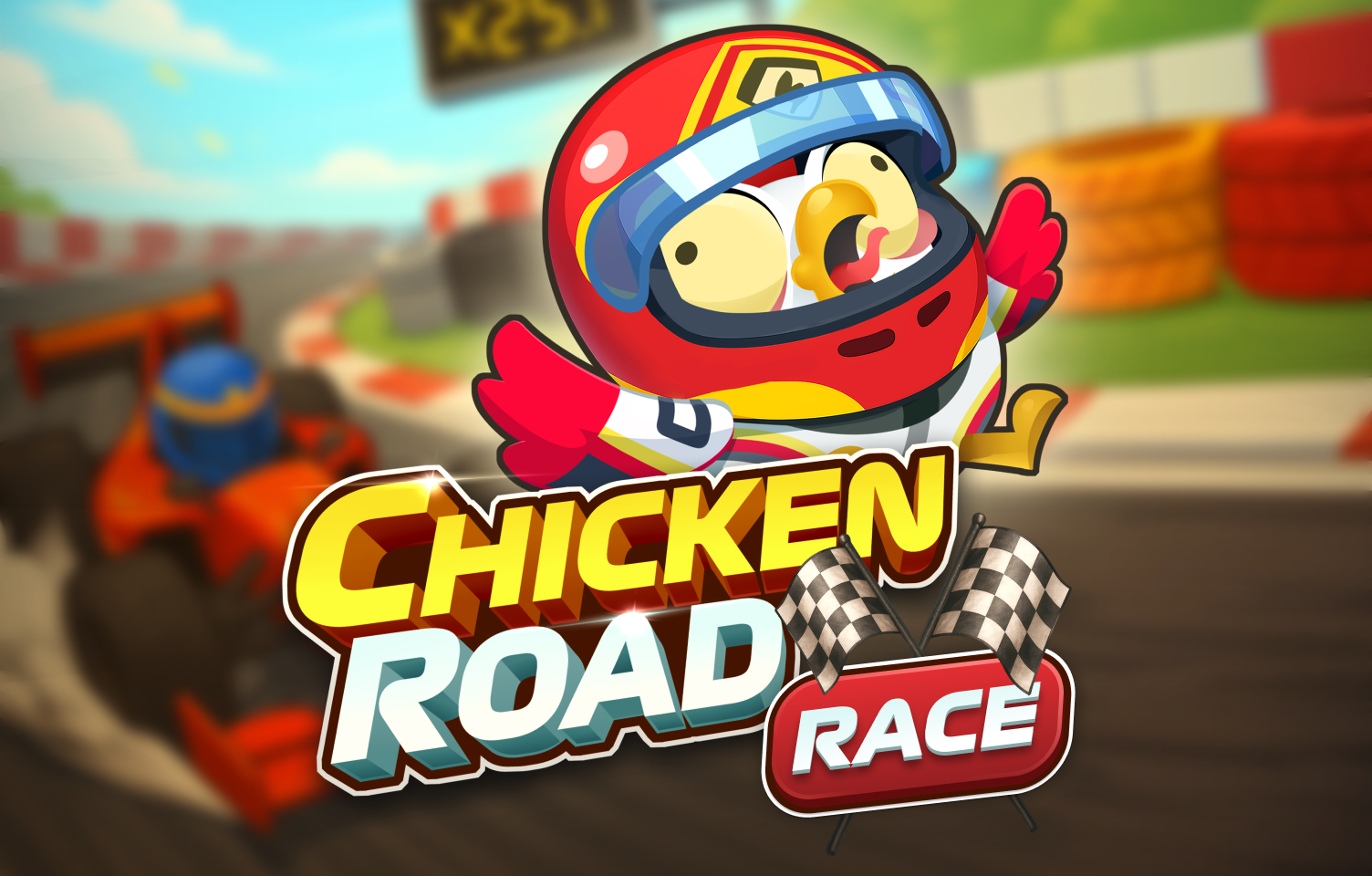
Character animation is essential in any video game, as it allows players to connect with characters on a deeper level. In Chicken Road, this connection is particularly pronounced due to the vibrant art style and well-crafted character designs. Each character, from the cheeky chicken to its quirky companions, is animated in a way that emphasizes their personality and role within the game’s narrative.
Designing Characters
The journey of animating a character begins with its design. Artists conceptualize characters by defining their physical attributes, personality traits, and backstory. In Chicken Road, characters are designed with distinctive features that not only make them visually appealing but also functional in gameplay. For example, the exaggerated proportions and expressive facial features help convey emotions effectively, making it easier for players to empathize with them.
Animation Techniques
Once the character designs are finalized, animators can begin bringing them to life. Several techniques are employed in character animation, including traditional hand-drawn animation, 3D animation, and motion capture. In Chicken Road, a hybrid approach is often used, combining 2D sprite animation for characters with 3D environments. This blend adds depth to the visual experience and allows for smooth transitions and dynamic movements.

Sprite Animation
Sprite animation involves creating a series of individual frames that depict various poses or actions of a character. When these frames are played in sequence, they create the illusion of motion. In Chicken Road, characters commonly perform actions like running, jumping, and dancing, each captured through a carefully crafted series of sprites. This method also allows for the inclusion of unique animations tailored to specific in-game actions, enhancing the overall gameplay experience.
Creating Fluid Movement
A key aspect of engaging character animation is creating fluid and believable movements. Animators study real-life behaviors to ensure that characters’ actions appear natural. In Chicken Road, animators reference a
nimal locomotion to define how the chicken and its fellow characters move across the game world. They utilize principles such as squash and stretch, anticipation, and follow-through to make movements more relatable and visually satisfying.
Character Interaction
Interactions between characters are another critical element of animation in Chicken Road. Whether it’s through dialogue exchanges or cooperative gameplay, the animation must reflect the relationships and dynamics between characters. This could mean animating body language during conversations or designing special animation sequences that activate when characters aid one another. Such details enrich the gaming experience, allowing players to feel more engaged in the narrative.
Emotion Through Animation
Emotions are best conveyed through subtle nuances in character animation. In Chicken Road, animators incorporate facial expressions and body posture changes to communicate what a character is feeling. A character might puff up in anger or shuffle nervously, and these small details greatly enhance storytelling. Players can instantly grasp emotional states, making the gameplay more immersive and impactful.
Animation Timing and Rhythm
Timing is crucial in animation, particularly in a fast-paced game like Chicken Road. Animators carefully consider the rhythm of movements to ensure that actions have the desired impact and excitement level. For instance, a quick dash or dramatic leap may require snappier timing, while a thoughtful moment of contemplation might be drawn out longer. These decisions help keep players engaged and enhance the overall pacing of the gameplay.
Testing and Iteration
The animation process is not complete until thorough testing and iteration have taken place. For Chicken Road, animators put characters through rigorous playtesting to ensure animations blend seamlessly with gameplay mechanics. Feedback gathered during testing phases is invaluable for making adjustments and enhancements, leading to smoother character interactions and more enjoyable player experiences.
Future of Character Animation
As technology advances, the future of character animation, including that seen in Chicken Road, is likely to evolve. Innovations such as real-time rendering, Artificial Intelligence (AI) for procedural animations, and enhanced motion capture techniques promise to push the boundaries of how character animations are created and experienced in games. These advancements could potentially lead to even more lifelike and responsive characters that enhance player engagement and immersion.
Conclusion
In conclusion, character animation is a vital component of the Chicken Road experience. Through careful design, innovative techniques, and attention to emotional expression, animators bring the game’s characters to life in a way that captivates players. As technology continues to evolve, we can anticipate even greater advancements in animation, further enriching the narratives and gameplay elements we love in games like Chicken Road.